Walking into a Japanese restaurant for the first time can feel like stepping into a different world. The ticket machines, the shouts of irasshaimase!, the plastic food displays in the window — everything works a little differently from what you might be used to. But here’s the good news: Japan’s food culture is one of the most welcoming and rewarding experiences you’ll have as a foreign resident. You just need to know how it all works.
Whether you’ve just arrived in Japan or have been here for a while but still feel a bit unsure about dining customs, this guide will walk you through everything — from how to enter and order at different types of restaurants, to the etiquette that actually matters (and the “rules” you don’t need to stress about).
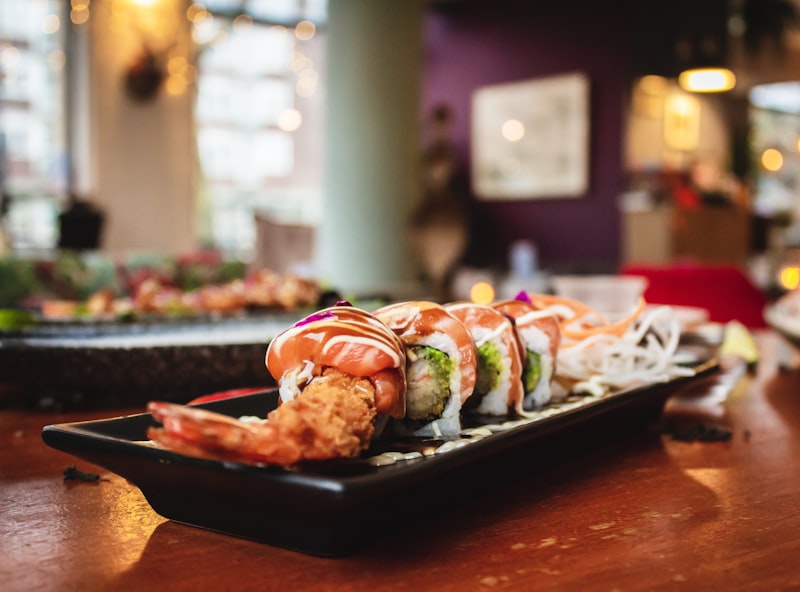
Types of Restaurants You’ll Encounter in Japan
Japan has an incredible variety of dining options, and understanding the main types will help you feel at home wherever you go.
Izakaya (居酒屋) — Japanese Pubs
Izakayas are casual drinking establishments that serve a wide variety of small dishes. Think of them as Japan’s answer to tapas bars. You’ll order multiple small plates to share with your group, paired with beer, sake, highballs, or other drinks. Many izakayas offer nomihodai (all-you-can-drink) plans for a set price and time limit — usually around ¥1,500–2,500 for 90 to 120 minutes.
Be aware of the otoshi (お通し), a small appetizer that’s automatically served when you sit down. This isn’t free — it typically costs ¥300–500 and functions as a cover charge. It’s standard practice, not a scam.
Ramen Shops and Gyudon Chains
Fast-casual restaurants like ramen shops and beef bowl chains (Yoshinoya, Matsuya, Sukiya) often use a ticket vending machine (食券機, shokkenki) at the entrance. You insert money, press the button for your order, take the ticket, and hand it to the staff. No speaking required — which makes these places surprisingly foreigner-friendly. Most machines now have English options or at least photos.
Family Restaurants (ファミレス)
Chains like Gusto, Saizeriya, Jonathan’s, and Denny’s Japan are everywhere. They offer large menus, affordable prices, and usually have tablet ordering systems at your table — many with English available. These are great for casual meals and late-night dining.
Conveyor Belt Sushi (回転寿司)
Places like Sushiro, Kura Sushi, and Hamazushi let you grab plates off a belt or order via touchscreen tablet. Each plate is color-coded by price (usually ¥100–300+). At the end, staff will count your plates or scan them automatically. Fun, affordable, and no language barrier.
Traditional and Fine Dining
Higher-end sushi bars, kaiseki restaurants, and tempura counters often offer omakase (chef’s choice) courses. If you can’t read the menu, saying “osusume wa nan desu ka?” (What do you recommend?) works well. Expect to spend ¥5,000–15,000+ per person depending on the restaurant.
How to Enter, Sit Down, and Order
Entering a Restaurant
When you walk in, you’ll hear the staff call out irasshaimase! (いらっしゃいませ — “Welcome!”). You don’t need to respond — a smile and a nod is fine. A staff member will typically ask “nan-mei sama desu ka?” (How many in your group?). Hold up fingers if you’re not confident with the Japanese.
If there’s a shoe-removal area (common in tatami seating), you’ll see a step-up and shoe lockers. Remove your shoes, store them, and take the key with you.
Ordering Your Food
Here’s where things have changed a lot in recent years. Many restaurants now use one of these systems:
- Tablet ordering — A touchscreen device at your table. Often has English. Browse, tap, and submit.
- QR code ordering — Scan a code with your phone, browse the menu on your browser, and order. This became widespread after COVID.
- Ticket machine — Buy a meal ticket at the entrance before sitting down.
- Paper menu + verbal order — The traditional way. Point at items if needed, or say the dish name.
If you’re stuck, the phrase “kore o kudasai” (これをください — “This one, please”) while pointing at a menu item will always work.
Useful Phrases for Ordering
- Sumimasen (すみません) — “Excuse me” (to get a waiter’s attention)
- ____ o kudasai — “____ please”
- Osusume wa? — “What do you recommend?”
- Eigo no menyu wa arimasu ka? — “Do you have an English menu?”
- Okaikei onegaishimasu — “Check, please”
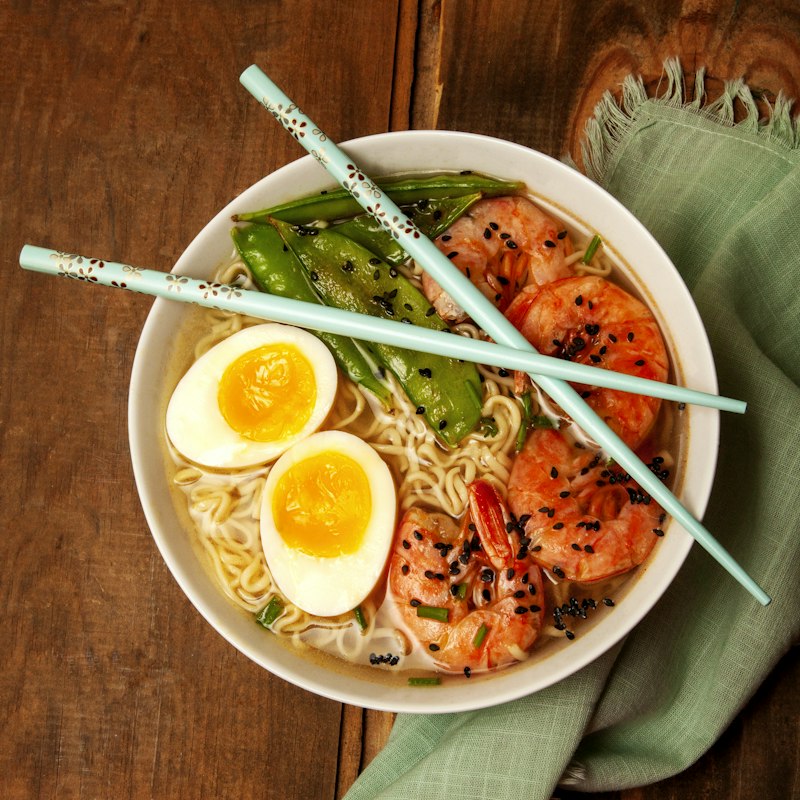
Dining Etiquette That Actually Matters
Let’s be honest — Japanese people understand that foreigners won’t know every rule. Nobody expects perfection. But knowing the basics will make your experience smoother and show respect for the culture.
Chopstick Rules
A few things to genuinely avoid:
- Don’t stick chopsticks vertically into rice — This resembles funeral incense and is considered bad luck.
- Don’t pass food from chopstick to chopstick — This mimics a funeral ritual and makes people uncomfortable.
- Don’t point with chopsticks or use them to move dishes around.
- Don’t rub wooden chopsticks together — It implies the restaurant is cheap.
When eating from shared plates, use the back end of your chopsticks or the serving utensils provided.
Slurping Is Good
Yes, slurping noodles and soup is not only acceptable — it’s expected. Slurping ramen, soba, and udon shows appreciation and helps cool the noodles. Don’t be shy about it.
No Tipping — Ever
This is one of the biggest differences from Western dining culture. Do not tip in Japan. It can actually be confusing or even offensive to staff. Service is included, always. The price on the menu is what you pay (plus tax, which is usually already included).
Finish Your Food
In Japan, leaving food on your plate is considered wasteful (mottainai). Order what you can eat, and try to finish everything — especially rice. This also means most restaurants won’t offer takeaway containers for leftovers.
The Oshibori (Hand Towel)
You’ll receive a wet towel (hot or cold depending on the season) when you sit down. Use it to clean your hands before eating. Don’t use it on your face or the table — that’s considered poor manners in most settings.
Paying the Bill
Payment customs vary by restaurant type:
- Pay at the register: Most common. When you’re done, take the bill slip from your table to the register near the exit. Say “okaikei onegaishimasu” if you need to request it.
- Pay at the table: Some higher-end restaurants bring the bill to you.
- Prepaid ticket: At ramen shops and fast-casual places, you’ve already paid.
Cash is still king in many places, though cashless payment (IC cards like Suica/Pasmo, credit cards, QR payments like PayPay) has expanded massively. Smaller restaurants and rural areas may still be cash-only, so always carry some yen.
Splitting the Bill
In Japan, splitting the bill (warikan) is common among friends but handled differently than in the West. Rather than asking the server to split it, one person usually pays the total and others transfer their share via apps like PayPay or bank transfer. Some izakayas can split by person if you ask.
Navigating Dietary Restrictions and Allergies
This can be tricky in Japan. Japanese culture places high value on eating what’s served, and many restaurants aren’t set up for substitutions. Here’s how to handle it:
- Vegetarian/Vegan: Many Japanese dishes contain hidden dashi (fish stock) or animal products. Look for restaurants specifically labeled as vegetarian, or try shojin ryori (Buddhist temple cuisine). Indian and other ethnic restaurants are reliable alternatives.
- Halal: Halal restaurants are growing, especially in Tokyo and Osaka. The app “Halal Navi” is useful for finding certified options.
- Allergies: Carry a card written in Japanese listing your allergies. Many chain restaurants have allergy information on their menus or websites.
- Gluten-free: Soy sauce contains wheat, making this challenging. Rice-based dishes are your safest bet.
Where to Find Great Restaurants
Forget Yelp and TripAdvisor for the best finds. Here’s what actually works in Japan:
- Tabelog (食べログ) — Japan’s most trusted restaurant review site. A score of 3.5+ is genuinely excellent. Available in English but more detailed in Japanese.
- Google Maps — Surprisingly reliable in Japan with local reviews. Sort by rating and check photos.
- Instagram — Search location tags or hashtags like #東京ランチ (Tokyo lunch) or #ラーメン (ramen).
- Walking around — Some of the best restaurants in Japan have no online presence. Look for long lines during lunch or small shops in back alleys.
Practical Tips for Eating Out in Japan
- Download a translation app. Google Translate’s camera function can read Japanese menus in real time. Point your phone at the menu and get instant translations.
- Eat during off-peak hours. Popular restaurants often have long waits during prime lunch (12:00–13:00) and dinner (18:00–20:00) times. Going 30 minutes early or late can save you significant wait time.
- Try the daily special (日替わり, higawari). Many restaurants offer a daily set meal that’s fresh, balanced, and great value — usually ¥800–1,200 for a full meal with rice, soup, and sides.
- Don’t be afraid to eat alone. Solo dining is completely normal in Japan. Many ramen shops and gyudon chains have counter seating designed specifically for solo diners. There’s zero stigma.
- Keep cash handy. Despite the rise of cashless payments, many smaller restaurants and local favorites are still cash-only. Carry at least ¥3,000–5,000 for dining out.
Frequently Asked Questions
Do I need to make reservations at restaurants in Japan?
For casual dining — ramen shops, family restaurants, izakayas — usually not. But popular restaurants, especially on weekends, can have long waits. For higher-end dining, reservations are often essential. Some exclusive sushi bars require booking weeks in advance. Apps like TableCheck or calling directly work well, and some restaurants accept reservations through Google Maps.
Can I bring outside food or drinks into a restaurant?
No. Bringing outside food or beverages into a restaurant is considered very rude in Japan. This includes bringing water bottles to the table. Most restaurants provide free water or tea automatically.
What if I have food allergies?
Prepare a card in Japanese that lists your allergies. You can find templates online or use apps like “Allergy Card Japan.” Show it to the staff when you sit down. Major chain restaurants typically have allergy information available, but smaller independent restaurants may not. When in doubt, ask “____ wa haitte imasu ka?” (Does this contain ____?).
Is it okay to share dishes at restaurants?
At izakayas and casual restaurants, sharing is the norm — that’s how they’re designed. At ramen shops or places where you order individual meals, sharing is less common but generally won’t cause issues. At high-end sushi counters or kaiseki restaurants, each person is expected to have their own course.
How much should I budget for eating out in Japan?
Japan offers amazing food at every price point. Budget meals (gyudon, convenience store onigiri, curry chains) run ¥400–800. A good lunch set is typically ¥800–1,500. Dinner at an izakaya with drinks might cost ¥2,500–4,000 per person. Fine dining starts around ¥8,000–15,000+. Compared to many Western countries, Japan offers exceptional quality for the price.
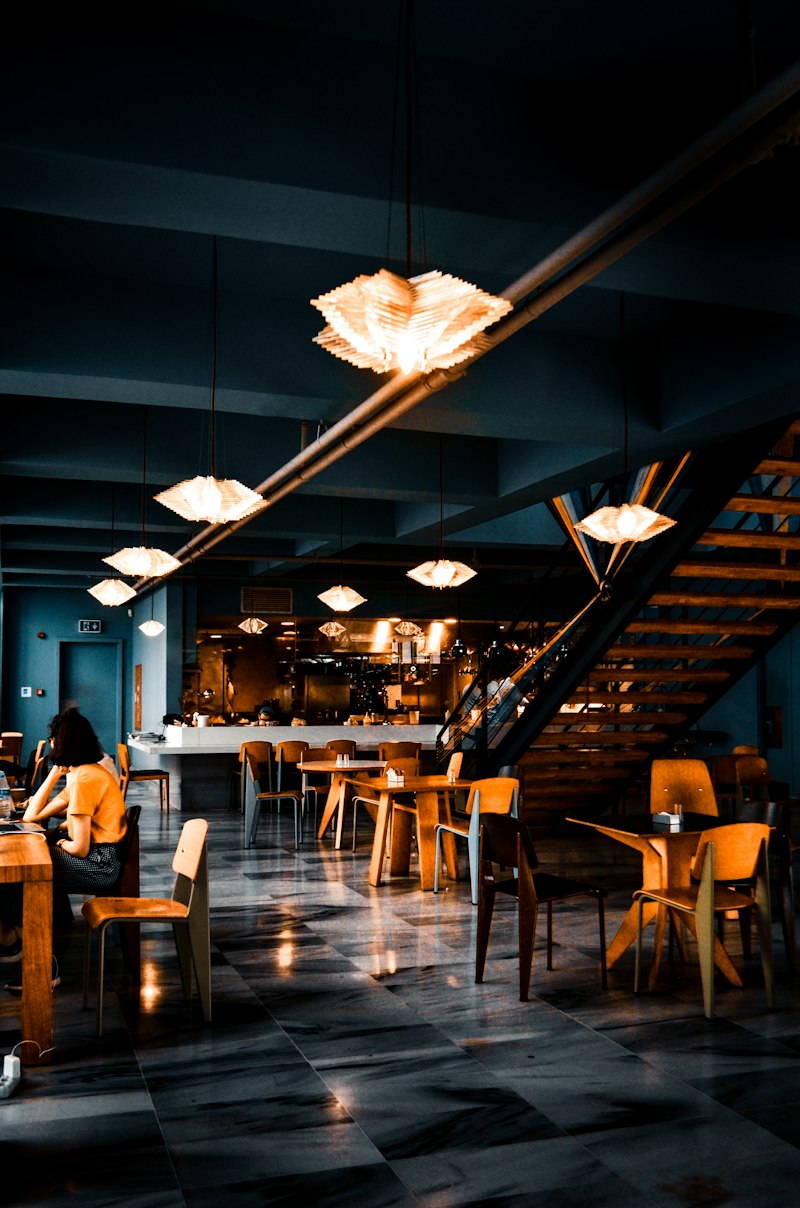
Make Food Part of Your Community Experience
Eating out in Japan isn’t just about the food — it’s one of the best ways to connect with people and feel at home here. Whether you’re sharing plates at an izakaya with coworkers, chatting with the chef at a tiny counter-seat restaurant, or discovering a hidden gem in your neighborhood, food brings people together.
If you’re looking for more ways to connect with others and build your community in Japan, check out our upcoming community events. We regularly host meetups where food and conversation go hand in hand.
Related articles you might enjoy:
コメントを残す