Moving to Japan is exciting – but figuring out how much it actually costs to live here? That part can feel overwhelming. Between the yen fluctuations, hidden fees, and regional price differences, it is hard to know what budget is realistic. Whether you are planning a move or already here trying to get your finances in order, this guide breaks down the real cost of living in Japan for foreigners in 2026, with specific numbers you can actually plan around.
How Much Does It Cost to Live in Japan? The Big Picture
For a single foreign resident, the total monthly cost of living in Japan typically ranges between ¥150,000 and ¥300,000 (roughly $1,000-$2,000 USD), depending on your city and lifestyle. Couples can expect to spend around ¥250,000-¥400,000 per month combined.
That said, Japan is not one price. Living in central Tokyo is a very different financial experience from living in Fukuoka, Sendai, or a smaller city in the countryside. Here is a realistic breakdown by category.
Monthly Expense Breakdown
Rent and Housing: ¥50,000-¥160,000
Housing is your biggest expense and the one with the most variation. Here is what to expect:
- Tokyo (central wards like Minato, Shibuya, Shinjuku): A small 1R or 1K apartment averages ¥90,000-¥160,000/month. Minato Ward averages around ¥160,000 for a 1R.
- Tokyo (outer wards like Edogawa, Adachi, Nerima): Much more affordable at ¥60,000-¥80,000 for a similar apartment.
- Osaka, Nagoya, Fukuoka: Expect ¥50,000-¥80,000 for a comfortable 1K or 1LDK.
- Smaller cities and rural areas: ¥30,000-¥50,000 is common, sometimes even less.
Important: Do not forget move-in costs. In Japan, you will typically need to pay key money (reikin), a security deposit (shikikin), agency fees, and the first month rent – often totaling 4-5 months rent upfront. For a detailed guide on navigating the apartment search process, check out our guide to finding an apartment in Japan.
Food and Groceries: ¥30,000-¥60,000
Japan offers incredible value if you know where to shop:
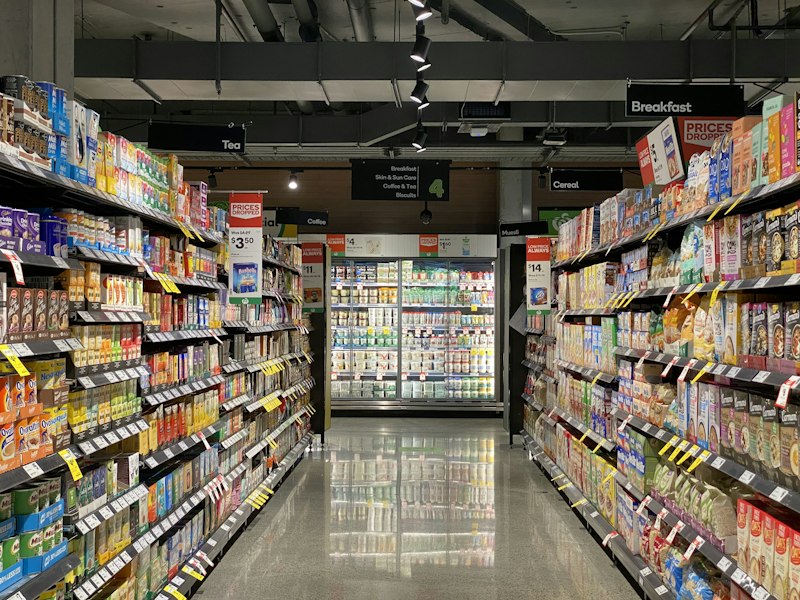
- Cooking at home: Budget ¥25,000-¥40,000/month. Supermarkets like Gyomu Super, OK Store, and Hanamasa offer great deals. Evening discount stickers (waribiki) can save you 20-50% on bento, meat, and produce.
- Eating out (budget): Chain restaurants like Matsuya, Yoshinoya, and Sukiya offer full meals for ¥400-¥600. A bowl of ramen typically costs ¥800-¥1,200.
- Convenience stores: Surprisingly affordable for quick meals – onigiri (¥120-¥180), bento boxes (¥400-¥600).
- Eating out regularly: If you eat out most meals, budget ¥50,000-¥80,000/month.
Note: Supermarket prices have risen roughly 10-20% since 2021 due to inflation and import costs, so older guides may underestimate food expenses.
Utilities: ¥8,000-¥15,000
A typical monthly breakdown for a single person:
- Electricity: ¥4,000-¥8,000 (higher in summer with AC and winter with heating)
- Gas: ¥2,000-¥4,000
- Water: ¥2,000-¥3,000 (billed every two months in most areas)
Total utilities for a single person average around ¥10,000-¥12,000/month, though summer and winter can push this to ¥15,000+.
Mobile Phone and Internet: ¥4,000-¥8,000
- Mobile (MVNO/budget plans): ¥1,000-¥3,000/month for data-only plans from providers like IIJmio, Mineo, or LINEMO. Major carrier online plans (ahamo, povo, LINEMO) run ¥2,000-¥3,000 for 20GB.
- Home internet: ¥4,000-¥5,000/month for fiber (e.g., NURO Hikari, SoftBank Hikari). Some apartments include internet in the rent.
Transportation: ¥5,000-¥15,000
- Train commute pass: ¥5,000-¥15,000/month depending on distance. Many employers cover commuting costs (tsuukin teate).
- Bicycle: A popular, cost-free alternative. A decent used mamachari costs ¥5,000-¥10,000 one-time.
- Owning a car: Expensive in cities – insurance, parking (¥10,000-¥30,000/month in Tokyo), shaken inspection, and gas add up quickly. More practical in rural areas.
Health Insurance: ¥10,000-¥30,000
Japan National Health Insurance (NHI) is mandatory and covers 70% of medical costs. Premiums are based on your previous year income, typically ranging from ¥10,000-¥30,000/month. If you are employed, your company enrolls you in shakai hoken (employee health insurance), which is split with your employer. Learn more in our guide to health insurance in Japan for foreigners.
Taxes and Pension: ¥20,000-¥50,000+
As a resident, you will pay:
- Income tax: 5-45% progressive rate (national) plus about 10% resident tax
- National Pension: ¥16,980/month (2026 rate) if self-employed. Company employees pay into kosei nenkin, which is deducted from salary.
Cost of Living by City: Quick Comparison
Here is a rough monthly budget comparison for a single person living modestly:
| Expense | Tokyo (23 wards) | Osaka | Fukuoka |
|---|---|---|---|
| Rent (1K) | ¥80,000-¥120,000 | ¥50,000-¥70,000 | ¥40,000-¥60,000 |
| Food | ¥40,000-¥55,000 | ¥35,000-¥50,000 | ¥30,000-¥45,000 |
| Utilities | ¥10,000-¥13,000 | ¥9,000-¥12,000 | ¥8,000-¥11,000 |
| Transport | ¥10,000-¥15,000 | ¥8,000-¥12,000 | ¥5,000-¥8,000 |
| Phone + Internet | ¥5,000-¥7,000 | ¥5,000-¥7,000 | ¥5,000-¥7,000 |
| Total | ¥200,000-¥280,000 | ¥150,000-¥210,000 | ¥130,000-¥180,000 |
These figures do not include health insurance, pension, or taxes, which vary based on income and employment status.
Practical Tips for Managing Your Budget in Japan
1. Open a Japanese Bank Account Early
Having a local bank account simplifies rent payments, utility bills, and salary deposits. Many landlords and employers require one. See our guide to opening a bank account in Japan for step-by-step instructions.

2. Shop Smart for Groceries
Visit supermarkets after 7 PM for discount stickers on perishables. Stores like Gyomu Super sell restaurant-grade ingredients at wholesale prices. Don Quijote (Donki) also has surprisingly good deals on food and household items.
3. Use Cashless Payment Apps for Points
Apps like PayPay, Rakuten Pay, and LINE Pay regularly offer point-back campaigns. Over a year, these points can add up to tens of thousands of yen in savings.
4. Take Advantage of Free and Low-Cost Entertainment
Japan has incredible free entertainment: parks, temples, shrines, seasonal festivals, free museum days, and hiking trails. Many cities also host free international exchange events – a great way to meet people and explore Japanese culture without spending a yen.
5. Consider Living Slightly Outside City Centers
A 15-20 minute train ride from central stations can cut your rent by 30-40%. Areas one or two stops past express-stop stations often offer the best value.
Frequently Asked Questions
Can I live in Japan on ¥150,000 per month?
Yes, but it requires careful budgeting. You would need to live in a more affordable area (outer Tokyo wards or regional cities), cook most of your meals, and keep entertainment spending low. It is tight but doable, especially outside Tokyo.
Is Japan more expensive than the US or Europe?
It depends on the category. Rent in Tokyo is comparable to mid-tier US cities but cheaper than NYC, SF, or London. Food is often cheaper, especially if you eat at budget restaurants. Healthcare costs are significantly lower due to universal insurance. However, some imported goods and fresh fruit can be surprisingly pricey.
Do I need to budget for move-in costs separately?
Absolutely. Move-in costs in Japan are notoriously high – typically 4 to 6 months rent paid upfront (key money, deposit, agency fee, first and last month rent, guarantor company fee). Budget ¥300,000-¥600,000 for initial housing setup in a major city.
Are salaries in Japan enough to cover these costs?
The average starting salary for foreign workers in Japan is around ¥250,000-¥300,000/month before taxes. Experienced professionals in tech, finance, or English teaching can earn ¥350,000-¥600,000+. Most people can live comfortably, though saving aggressively requires some planning.
How much should I save before moving to Japan?
We recommend having at least ¥500,000-¥800,000 saved before arrival to cover move-in costs, initial setup expenses (furniture, household goods), and a financial cushion for the first month or two before your first paycheck arrives.

Start Building Your Life in Japan
Understanding the cost of living is just one piece of the puzzle. Connecting with other foreign residents who have already navigated these challenges can save you time, money, and stress. Whether you want budgeting tips from people in your city or just want to meet others going through the same experience, community events are a great place to start.
Find Events Near You and connect with fellow foreign residents who can share their real-world experience living in Japan.
コメントを残す