Moving to Japan is exciting – but figuring out how much it actually costs to live here? That part can feel overwhelming. Between the yen fluctuations, hidden fees, and regional price differences, it is hard to know what budget is realistic. Whether you are planning a move or already here trying to get your finances in order, this guide breaks down the real cost of living in Japan for foreigners in 2026, with specific numbers you can actually plan around.
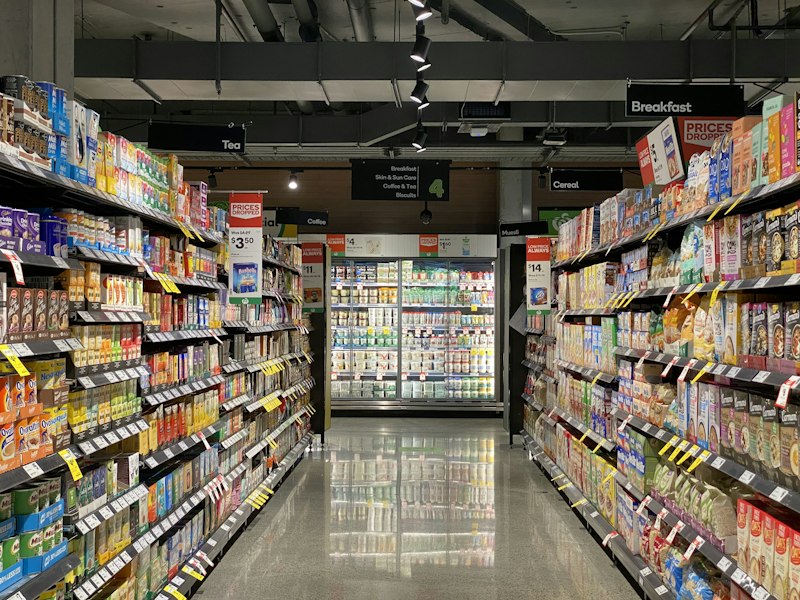
A typical Japanese supermarket offering fresh, affordable ingredients
How Much Does It Cost to Live in Japan? The Big Picture
For a single foreign resident, the total monthly cost of living in Japan typically ranges between ¥150,000 and ¥300,000 (roughly $1,000-$2,000 USD), depending on your city and lifestyle. Couples can expect to spend around ¥250,000-¥400,000 per month combined.
That said, Japan is not one price. Living in central Tokyo is a very different financial experience from living in Fukuoka, Sendai, or a smaller city in the countryside. Here is a realistic breakdown by category.
Monthly Expense Breakdown
Rent and Housing: ¥50,000-¥160,000
Housing is your biggest expense and the one with the most variation. Here is what to expect:
Tokyo (central wards like Minato, Shibuya, Shinjuku): A small 1R or 1K apartment averages ¥90,000-¥160,000/month. Minato Ward averages around ¥160,000 for a 1R.
Tokyo (outer wards like Edogawa, Adachi, Nerima): Much more affordable at ¥60,000-¥80,000 for a similar apartment.
Osaka, Nagoya, Fukuoka: Expect ¥50,000-¥80,000 for a comfortable 1K or 1LDK.
Smaller cities and rural areas: ¥30,000-¥50,000 is common, sometimes even less.
Important: Do not forget move-in costs. In Japan, you will typically need to pay key money (reikin), a security deposit (shikikin), agency fees, and the first month rent – often totaling 4-5 months rent upfront. For a detailed guide on navigating the apartment search process, check out our guide to finding an apartment in Japan.
Food and Groceries: ¥30,000-¥60,000
Japan offers incredible value if you know where to shop:
Cooking at home: Budget ¥25,000-¥40,000/month. Supermarkets like Gyomu Super, OK Store, and Hanamasa offer great deals. Evening discount stickers (waribiki) can save you 20-50% on bento, meat, and produce.
Eating out (budget): Chain restaurants like Matsuya, Yoshinoya, and Sukiya offer full meals for ¥400-¥600. A bowl of ramen typically costs ¥800-¥1,200.
Eating out regularly: If you eat out most meals, budget ¥50,000-¥80,000/month.
Note: Supermarket prices have risen roughly 10-20% since 2021 due to inflation and import costs, so older guides may underestimate food expenses.
Utilities: ¥8,000-¥15,000
A typical monthly breakdown for a single person:
Electricity: ¥4,000-¥8,000 (higher in summer with AC and winter with heating)
Gas: ¥2,000-¥4,000
Water: ¥2,000-¥3,000 (billed every two months in most areas)
Total utilities for a single person average around ¥10,000-¥12,000/month, though summer and winter can push this to ¥15,000+.
Mobile Phone and Internet: ¥4,000-¥8,000
Mobile (MVNO/budget plans): ¥1,000-¥3,000/month for data-only plans from providers like IIJmio, Mineo, or LINEMO. Major carrier online plans (ahamo, povo, LINEMO) run ¥2,000-¥3,000 for 20GB.
Home internet: ¥4,000-¥5,000/month for fiber (e.g., NURO Hikari, SoftBank Hikari). Some apartments include internet in the rent.
Transportation: ¥5,000-¥15,000
Train commute pass: ¥5,000-¥15,000/month depending on distance. Many employers cover commuting costs (tsuukin teate).
Bicycle: A popular, cost-free alternative. A decent used mamachari costs ¥5,000-¥10,000 one-time.
Owning a car: Expensive in cities – insurance, parking (¥10,000-¥30,000/month in Tokyo), shaken inspection, and gas add up quickly. More practical in rural areas.
Health Insurance: ¥10,000-¥30,000
Japan National Health Insurance (NHI) is mandatory and covers 70% of medical costs. Premiums are based on your previous year income, typically ranging from ¥10,000-¥30,000/month. If you are employed, your company enrolls you in shakai hoken (employee health insurance), which is split with your employer. Learn more in our guide to health insurance in Japan for foreigners.
Taxes and Pension: ¥20,000-¥50,000+
As a resident, you will pay:
Income tax: 5-45% progressive rate (national) plus about 10% resident tax
National Pension: ¥16,980/month (2026 rate) if self-employed. Company employees pay into kosei nenkin, which is deducted from salary.
Cost of Living by City: Quick Comparison
Here is a rough monthly budget comparison for a single person living modestly:
Expense
Tokyo (23 wards)
Osaka
Fukuoka
Rent (1K)
¥80,000-¥120,000
¥50,000-¥70,000
¥40,000-¥60,000
Food
¥40,000-¥55,000
¥35,000-¥50,000
¥30,000-¥45,000
Utilities
¥10,000-¥13,000
¥9,000-¥12,000
¥8,000-¥11,000
Transport
¥10,000-¥15,000
¥8,000-¥12,000
¥5,000-¥8,000
Phone + Internet
¥5,000-¥7,000
¥5,000-¥7,000
¥5,000-¥7,000
Total
¥200,000-¥280,000
¥150,000-¥210,000
¥130,000-¥180,000
These figures do not include health insurance, pension, or taxes, which vary based on income and employment status.
Practical Tips for Managing Your Budget in Japan
1. Open a Japanese Bank Account Early
Having a local bank account simplifies rent payments, utility bills, and salary deposits. Many landlords and employers require one. See our guide to opening a bank account in Japan for step-by-step instructions.
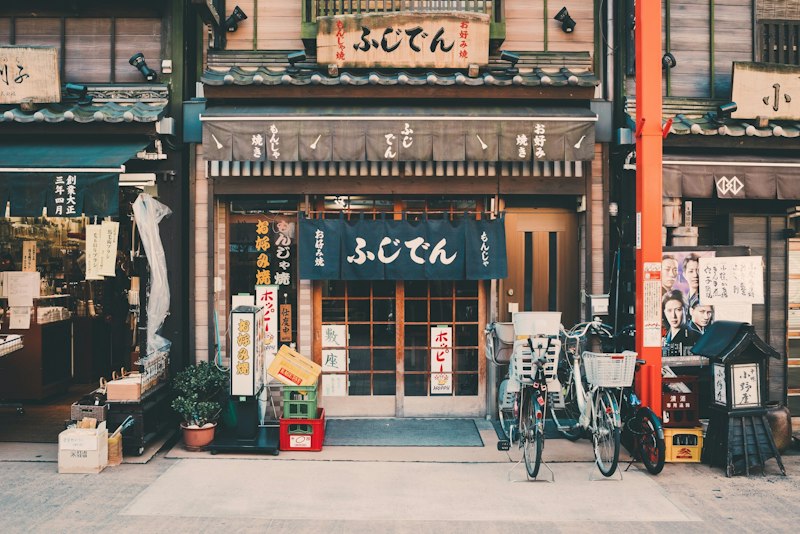
Life in Tokyo: vibrant but manageable on a reasonable budget
2. Shop Smart for Groceries
Visit supermarkets after 7 PM for discount stickers on perishables. Stores like Gyomu Super sell restaurant-grade ingredients at wholesale prices. Don Quijote (Donki) also has surprisingly good deals on food and household items.
3. Use Cashless Payment Apps for Points
Apps like PayPay, Rakuten Pay, and LINE Pay regularly offer point-back campaigns. Over a year, these points can add up to tens of thousands of yen in savings.
4. Take Advantage of Free and Low-Cost Entertainment
Japan has incredible free entertainment: parks, temples, shrines, seasonal festivals, free museum days, and hiking trails. Many cities also host free international exchange events – a great way to meet people and explore Japanese culture without spending a yen.
5. Consider Living Slightly Outside City Centers
A 15-20 minute train ride from central stations can cut your rent by 30-40%. Areas one or two stops past express-stop stations often offer the best value.
Frequently Asked Questions
Can I live in Japan on ¥150,000 per month?
Yes, but it requires careful budgeting. You would need to live in a more affordable area (outer Tokyo wards or regional cities), cook most of your meals, and keep entertainment spending low. It is tight but doable, especially outside Tokyo.
Is Japan more expensive than the US or Europe?
It depends on the category. Rent in Tokyo is comparable to mid-tier US cities but cheaper than NYC, SF, or London. Food is often cheaper, especially if you eat at budget restaurants. Healthcare costs are significantly lower due to universal insurance. However, some imported goods and fresh fruit can be surprisingly pricey.
Do I need to budget for move-in costs separately?
Absolutely. Move-in costs in Japan are notoriously high – typically 4 to 6 months rent paid upfront (key money, deposit, agency fee, first and last month rent, guarantor company fee). Budget ¥300,000-¥600,000 for initial housing setup in a major city.
Are salaries in Japan enough to cover these costs?
The average starting salary for foreign workers in Japan is around ¥250,000-¥300,000/month before taxes. Experienced professionals in tech, finance, or English teaching can earn ¥350,000-¥600,000+. Most people can live comfortably, though saving aggressively requires some planning.
How much should I save before moving to Japan?
We recommend having at least ¥500,000-¥800,000 saved before arrival to cover move-in costs, initial setup expenses (furniture, household goods), and a financial cushion for the first month or two before your first paycheck arrives.
Understanding your monthly budget in yen is key to financial stability in Japan
Start Building Your Life in Japan
Understanding the cost of living is just one piece of the puzzle. Connecting with other foreign residents who have already navigated these challenges can save you time, money, and stress. Whether you want budgeting tips from people in your city or just want to meet others going through the same experience, community events are a great place to start.
Find Events Near You and connect with fellow foreign residents who can share their real-world experience living in Japan.
Moving to Japan is exciting until you start looking for a place to live. Between unfamiliar fees like key money, landlords who hesitate to rent to non-Japanese tenants, and listings written entirely in Japanese, finding an apartment as a foreigner can feel overwhelming. But here is the good news: thousands of foreigners sign leases in Japan every year, and with the right preparation, you can too.
This guide breaks down the entire apartment-hunting process in Japan for 2026, from understanding costs and documents to choosing the right real estate agency and avoiding common pitfalls.
Japanese apartments may look different from what you’re used to, but they have their own charm.
Understanding the Japanese Rental System
How Renting Works in Japan
The Japanese rental market operates differently from most Western countries. Here are the key differences you need to know:
Fixed-term contracts: Most leases in Japan are 2-year contracts. When they expire, you typically pay a renewal fee of 1 month rent to continue living there.
Real estate agents: Unlike many countries where landlords list properties directly, almost all rental properties in Japan are managed through real estate agencies. You visit an agency, explain your needs, and they show you available units.
Property databases: Most agents access the same shared databases (REINS), so the listings they show you often overlap. However, some agencies have exclusive listings, so visiting 2-3 agencies can be worthwhile.
Application screening: After choosing an apartment, you submit an application that goes through a screening process. This can take 3-7 days and involves a background check by the guarantor company.
The Upfront Costs You Need to Budget For
This is where many newcomers get sticker shock. For a typical apartment in Japan, expect to pay 4 to 6 months rent upfront before you even move in. Here is the breakdown for a typical apartment at 80,000 yen per month:
Key Money (reikin): 0-2 months rent (0-160,000 yen), a non-refundable gift to the landlord
Agency Fee: 0.5-1 month rent (40,000-80,000 yen)
Guarantor Company Fee: 0.5-1 month rent (40,000-80,000 yen)
Fire Insurance: Around 15,000-20,000 yen per year
Lock Change Fee: Around 15,000-25,000 yen
First Month Rent: 80,000 yen
Total estimate: 338,000-598,000 yen before you move in.
Key money is a uniquely Japanese concept. It is a non-refundable payment to the landlord. While the tradition is fading (especially in less popular areas), many central Tokyo apartments still require it. Look for listings with no key money to save significantly.
Documents You Need to Rent an Apartment
Japan’s rental system is paperwork-heavy. Having these documents ready before you start looking will speed up the process dramatically:
Residence Card (zairyuu kaado): This is your most important document. Landlords want to see that your visa has at least enough remaining validity to cover the lease period (usually 2 years).
Proof of Income: Pay slips from the last 3 months, an employment contract, or a tax certificate. If you are just starting a job, your offer letter or employment certificate works.
Registered Seal (inkan): While digital contracts are becoming more common, many agencies still require a physical seal. You can get one made at any hanko shop for 1,000-3,000 yen.
Emergency Contact in Japan: You need to provide someone in Japan as an emergency contact. This does not have to be a guarantor. A friend or coworker is fine.
My Number: Increasingly required for the guarantor company application.
Start your search online to get a feel for prices and neighborhoods:
SUUMO (suumo.jp): Japan’s largest property site. Mostly in Japanese, but the map search is intuitive even without language skills.
HOMES (homes.co.jp): Another major platform with English-language support for some listings.
GaijinPot Apartments: Specifically designed for foreigners, with English listings and foreigner-friendly properties.
Real Estate Japan (realestate.co.jp/en): English-language listings across Japan.
Facebook Groups: Search for groups like Tokyo Apartments for Rent or Osaka Housing for direct-from-tenant listings and sublets.
Foreigner-Friendly Real Estate Agencies
These agencies specifically help foreign residents and offer English-speaking staff:
E-Housing: Specializes in helping foreigners find apartments across Tokyo.
GTN (Global Trust Networks): Offers both guarantor services and apartment search in English, Chinese, Korean, Vietnamese, and more.
Fontana: Helps foreigners in the Kansai area (Osaka, Kyoto, Kobe).
Village House: Offers low-cost apartments with no key money, no deposit, and no guarantor required for some properties.
The Guarantor Situation in 2026
In the past, foreigners needed a Japanese person to act as a personal guarantor. This was one of the biggest barriers to renting. Today, the landscape has changed significantly.
Guarantor companies have largely replaced personal guarantors. These companies function like insurance. They guarantee your rent payments to the landlord, and you pay them a fee for the service.
Typical guarantor company costs:
Initial fee: 50-100% of one month rent
Annual renewal: 10,000-20,000 yen
Companies like GTN, JID, Casa, and Orico are known for being foreigner-friendly. Your real estate agent will usually recommend one. The application process involves a phone call verification. If your Japanese is limited, ask someone to help or request an English-speaking representative.
Finding the right real estate agent makes all the difference.
Step-by-Step: From Search to Move-In
Research neighborhoods: Consider commute time, proximity to stations, supermarkets, and your lifestyle needs.
Set your budget: A common rule in Japan is that rent should be no more than one-third of your monthly income. Do not forget to factor in the upfront costs.
Visit real estate agencies: Bring your documents. Tell the agent your budget, preferred area, and must-have features.
View properties: The agent will arrange viewings. In competitive areas like central Tokyo, good apartments get taken within days, so be prepared to decide quickly.
Submit your application: The agency handles the paperwork. The screening process takes 3-7 business days.
Sign the contract: Read everything carefully (ask for English translations if available). Pay the upfront costs.
Pick up your keys: Set up utilities (electricity, gas, water, internet) and do a move-in inspection documenting any existing damage.
Practical Tips for Apartment Hunting in Japan
Timing matters: March-April is peak moving season in Japan (fiscal year starts April 1). Prices are higher and competition is fierce. If possible, search in May-July or October-December for better deals.
Negotiate on key money: In a slow market, landlords may waive or reduce key money, especially if the unit has been vacant for a while. Your agent can negotiate on your behalf.
Check the building rules: Some apartments prohibit musical instruments, pets, or overnight guests. Ask about the management rules before signing.
Inspect during daytime: Visit the apartment and neighborhood during different times of day. Check for noise, sunlight, and the general vibe of the area.
Consider UR apartments: UR (Urban Renaissance Agency) apartments are government-managed, require no key money, no guarantor, and no renewal fees. They are a great option for foreigners, though units in popular areas fill up fast.
Alternative Housing Options
If a traditional apartment feels too complicated or expensive upfront, consider these alternatives:
Share houses: Lower upfront costs (often just 1 month deposit), furnished, and a great way to meet people. Companies like Oakhouse, XROSS HOUSE, and Borderless House offer share houses designed for international residents.
Monthly apartments: Fully furnished, no guarantor needed, and flexible lease terms. Ideal for your first 1-3 months while you search for a permanent place. Expect to pay 20-30% more than a regular apartment.
Company housing: If your employer offers housing assistance, take advantage of it. Many Japanese companies provide subsidized housing or help with the guarantor process.
FAQ
Can I rent an apartment in Japan without speaking Japanese?
Yes, especially in major cities like Tokyo and Osaka. Foreigner-friendly agencies handle the entire process in English. However, some landlords may prefer tenants who speak Japanese, so having a basic level helps expand your options.
What happens if a landlord rejects my application because I am a foreigner?
Unfortunately, some landlords still specify Japanese tenants only. While anti-discrimination efforts are growing, this practice is not yet fully addressed by law. The best approach is to work with foreigner-friendly agencies who pre-screen listings and only show you properties where your application will be accepted.
Do I need a Japanese bank account to rent an apartment?
Almost always, yes. Monthly rent is typically paid via automatic bank transfer. A few landlords accept credit card payments, but this is rare. We recommend opening a bank account as one of your first steps. See our guide to opening a bank account for details.
How far in advance should I start looking?
Start researching neighborhoods and prices 1-2 months before your planned move date. Active apartment viewing should begin 2-4 weeks before you want to move in. Properties move fast in Japan.
What is the cheapest way to rent in Japan as a foreigner?
Look for properties with no key money and no deposit, consider share houses for the lowest upfront costs, or check UR apartments which eliminate key money and guarantor fees entirely. Living slightly further from major stations (a 15-minute walk instead of 5) can also reduce rent by 20-30%.
Moving day — the start of your new life in Japan.
Build Your Community
Finding an apartment is just one piece of settling into life in Japan. Once you are settled, the real adventure begins: building friendships and finding your community.