Health insurance in Japan isn’t optional — it’s mandatory for all residents, including foreigners. If you’re living in Japan on a visa longer than three months, you’re required to enroll. The system can seem confusing at first, but it’s actually one of Japan’s greatest strengths: comprehensive coverage at remarkably affordable rates. Here’s everything you need to know.
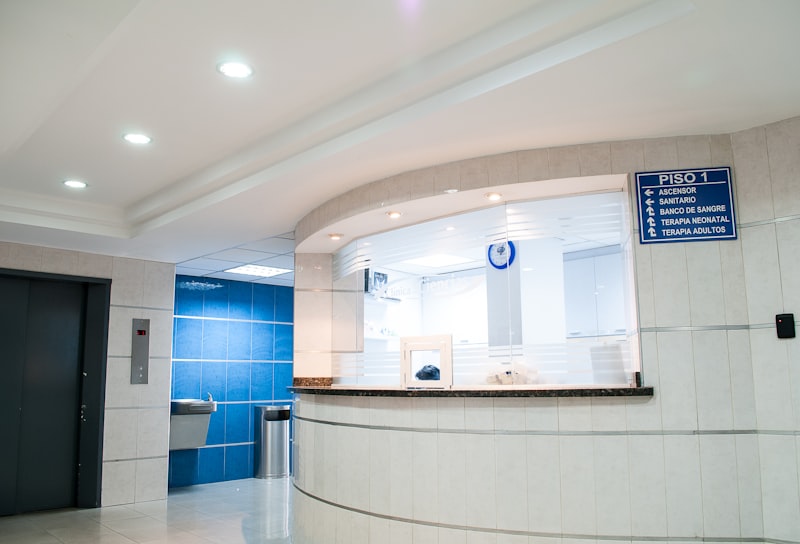
Japan’s healthcare facilities are world-class and accessible to all residents.
The Two Main Systems
National Health Insurance (NHI / Kokumin Kenko Hoken)
This is for self-employed people, students, freelancers, and anyone not covered through their employer. You enroll at your local city or ward office (shiyakusho/kuyakusho) after registering your address.
Premiums based on your income from the previous year
New arrivals often start with lower premiums
Covers 70% of medical costs (you pay 30%)
Employee Health Insurance (Shakai Hoken)
If you work for a company with 5+ employees, you’ll typically be enrolled in Shakai Hoken automatically. Your employer handles registration.
Premiums are split 50/50 between you and your employer
Also covers pension contributions
Same 70/30 cost coverage as NHI
Additional benefits like maternity leave pay and injury/illness allowance
What’s Covered?
Japanese health insurance covers an impressive range of services:
Doctor visits and consultations
Prescription medications
Surgery and hospitalization
Dental care (basic procedures)
Mental health services
Maternity check-ups (with additional municipal subsidies)
Rehabilitation and physical therapy
Not typically covered: cosmetic procedures, advanced dental work (orthodontics, implants), some cutting-edge treatments, and annual health check-ups (though employers must provide these).
How Much Does It Cost?
NHI Premiums
NHI premiums vary by municipality and income. As a rough guide:
Low income / new arrival: ¥2,000-5,000/month
Average income (¥3-5M/year): ¥15,000-25,000/month
Higher income (¥7M+/year): ¥40,000-60,000/month
Shakai Hoken Premiums
Roughly 5% of your monthly salary (your share). Your employer pays another 5%. So on a ¥300,000 monthly salary, you’d pay about ¥15,000.
The High-Cost Medical Expense System
Japan has a brilliant safety net: if your out-of-pocket costs exceed a monthly cap (typically ¥80,100 for average earners), the excess is reimbursed. This means even major surgery or extended hospitalization won’t bankrupt you.
How to Enroll
For NHI
Register your address at your local city/ward office within 14 days of moving
Go to the National Health Insurance counter at the same office
Bring your residence card, passport, and My Number notification
Fill out the enrollment form (staff will assist)
Receive your health insurance card (hokensho) — usually on the spot or by mail within a week
For Shakai Hoken
Your employer handles enrollment. You’ll receive your insurance card within a few weeks of starting work.
With health insurance, doctor visits become affordable and routine.
Using Your Insurance
Present your insurance card (hokensho) at any clinic or hospital
Pay 30% of the bill at the reception desk
No referral needed for specialists (though hospital visits without referral may incur extra fees of ¥5,000+)
Prescriptions are filled at pharmacies (yakkyoku) separate from the clinic
Practical Tips
Always carry your insurance card — Without it, you’ll pay 100% upfront (you can get reimbursed later, but it’s a hassle)
English-speaking clinics exist — Search AMDA International Medical Information Center or your city’s international association
Don’t skip enrollment — If you enroll late, you’ll owe back-premiums from when you should have joined
Keep receipts — Medical expenses over ¥100,000/year can be deducted from your taxes
Get a health checkup — Many municipalities offer free or discounted annual checkups (kenko shindan) for NHI members
FAQ
Q: Is health insurance really mandatory for foreigners?
A: Yes. All residents staying longer than 3 months must enroll. Failure to do so can affect visa renewals.
Q: What if I can’t afford the premiums?
A: You can apply for premium reduction at your local city office. Low-income residents may qualify for significant discounts or exemptions.
Q: Can I use my Japanese insurance abroad?
A: Partially. You can apply for reimbursement for emergency medical care received overseas, but only up to what the equivalent treatment would cost in Japan.
Q: I’m leaving Japan. Do I need to do anything?
A: Yes. Visit your city office to cancel NHI before leaving. Pay any outstanding premiums to avoid issues if you return.
Japanese clinics are known for their efficiency and cleanliness.
Getting Connected
Navigating Japan’s healthcare system is much easier when you have a community to lean on. Join international exchange events to connect with other foreign residents who can share their experiences and recommend English-friendly clinics. Also make sure your bank account is set up for direct debit premium payments.
Opening a bank account in Japan is one of those essential tasks that every foreign resident needs to tackle early on. Whether you need to receive your salary, pay rent, or set up utility payments, a Japanese bank account is practically non-negotiable. The good news? It’s gotten much easier in recent years.
Japanese ATMs are reliable and available at most convenience stores.
Which Bank Should You Choose?
Major Banks with English Support
Japan Post Bank (Yucho Ginko) — Most foreigner-friendly. Over 24,000 ATMs nationwide, easy application, no minimum balance.
MUFG Bank — Japan’s largest. English staff at select branches in Tokyo/Osaka.
Shinsei Bank — Fully English online banking, no ATM fees at convenience stores. Popular among expats.
Sony Bank — Online-only with excellent multi-currency accounts and English interface.
Digital Banks
Wise — Multi-currency account with JPY balance and debit card. Entirely online in English.
Revolut — App-based, multi-currency, English interface.
Personal Seal (Inkan) — Some banks still require it (¥500-2,000 at any hanko shop)
My Number Card — For tax reporting
The 6-Month Rule
Most major banks require 6 months of residency. Workarounds: Japan Post Bank often accepts newcomers; your employer may help; digital banks like Wise have no such requirement.
Step-by-Step Process
Choose your bank based on needs (English support, ATM access, international transfers)
Find a branch with English-speaking staff
Visit during weekday hours (9:00-15:00)
Fill out the application form (staff will help)
Wait for your cash card (1-2 weeks by mail)
Set up online banking
Your Japanese bank card will become one of your most essential items.
Understanding Japanese Banking
ATM Hours and Fees
Bank ATMs: 8:00-21:00. Convenience store ATMs (Seven Bank, Lawson) have longer hours but charge ¥110-220 outside business hours.
Key Features
Furikomi (振込) — Bank transfers for rent and bills
Direct Debit (口座振替) — Auto-pay for utilities
International Transfers — Expensive via banks (¥3,000-6,000). Use Wise for better rates.
Practical Tips
Bring a Japanese-speaking friend if no English support available
Get a passbook (通帳) — useful for tracking and as ID
Set up convenience store ATM access for after-hours
Keep registered info updated when you move or renew visa
Consider multiple accounts: main bank + digital bank for transfers
FAQ
Q: Can I open an account without speaking Japanese?
A: Yes. Shinsei Bank, Sony Bank, and Wise offer English services. For traditional banks, bring a Japanese-speaking friend.
Q: I just arrived. Can I open an account immediately?
A: Japan Post Bank may allow it. Your employer can often assist. Use Wise while waiting for the 6-month mark.
Q: Do I need a personal seal (hanko)?
A: Fewer banks require it, but it’s still common. A simple seal costs ¥500-1,000.
Q: Can I send money abroad?
A: Yes, but traditional wires are expensive. Wise and Revolut offer much better rates.
Having your documents prepared in advance makes the process much smoother.
Finding a job in Japan as a foreigner can feel like navigating a maze blindfolded. The hiring process is different from what you are used to, job boards are scattered across dozens of sites, and you are never quite sure whether your Japanese level is good enough. If that sounds familiar, you are not alone. Japan had a record 2.57 million foreign workers as of late 2025, and the number keeps growing. The jobs are out there; you just need to know where and how to look.
Job interviews in Japan have unique customs and expectations
This guide covers everything from understanding the Japanese job market to nailing your interviews, with practical advice you can act on today. Whether you are job hunting from abroad or already living in Japan, these strategies will help you find the right opportunity.
Understanding the Japanese Job Market in 2026
Japan is facing a serious labor shortage. The job-to-applicant ratio has stayed above 1.0 throughout 2025 and into 2026, meaning there are more open positions than people looking for work. This is fundamentally good news if you are a foreign job seeker.
However, the market is not equally open across all sectors. Here is where the opportunities are strongest:
IT and Technology: The most foreigner-friendly sector by far. Japan needs software engineers, data scientists, cybersecurity experts, and UX designers. Many IT companies operate in English or are at least English-tolerant. Salaries range from 4 to 10 million yen for mid-career professionals.
English Education: Teaching English remains one of the most accessible entry points. ALT (Assistant Language Teacher) positions through programs like JET pay around 3.36 million yen annually. Private language schools (eikaiwa) offer more flexibility but often lower pay.
Finance and Consulting: Global firms in Tokyo hire bilingual professionals for roles in investment banking, consulting, and accounting. Japanese ability is usually required at N2 level or above.
Hospitality and Tourism: With tourism booming post-pandemic, hotels, travel companies, and restaurants actively seek multilingual staff.
Manufacturing and Engineering: Factory and engineering roles are increasingly available through the Specified Skilled Worker visa program.
Translation and Interpretation: If you are bilingual or trilingual, translation and interpretation work is consistently in demand.
Where to Find Jobs: The Best Platforms
Do not rely on just one job board. Spread your search across multiple platforms to maximize your chances:
Foreigner-Focused Job Boards
GaijinPot Jobs: One of the longest-running job boards for foreigners in Japan. Good mix of teaching, IT, and other positions. Also provides apartment and Japanese learning resources.
WeXpats Jobs: One of the largest job pools for foreigners, with over 30,000 listings. Covers a wide range of industries and visa types.
Jobs in Japan (jobsinjapan.com): Curated listings with helpful guides about working culture and visa requirements.
Daijob: Focuses on bilingual and international positions. Popular with mid-career professionals.
Japan Dev: Specifically for tech jobs. If you are a developer, this should be your first stop.
General Platforms That Work in Japan
LinkedIn: Increasingly important in Japan, especially for international companies and senior roles. Make sure your profile is optimized and set your location to Japan.
Indeed Japan: The Japanese version of Indeed has a massive database. Many listings are in Japanese, but English-language positions are growing.
Wantedly: A Japanese platform that emphasizes company culture and mission over salary. Popular with startups and young companies. Having a strong profile here can lead to casual coffee chats that turn into job offers.
Recruitment Agencies
Working with a recruitment agency can be highly effective, especially for mid-career professionals. Agencies like Robert Walters, Michael Page, Hays, and en world specialize in placing foreign talent in Japan. They can match you with positions, prepare you for interviews, and even negotiate salary on your behalf. Most agency services are free for job seekers.
Government Resources
JETRO (Japan External Trade Organization) runs a career portal that connects foreign professionals with Japanese companies looking to hire internationally. Hello Work, the government employment service, is free and has English support in some locations, though it primarily serves the domestic market.
The Japanese Hiring Process: What to Expect
Japanese hiring is different from Western processes in several important ways:
Application Materials
Many Japanese companies expect a rirekisho (Japanese-style resume) rather than a Western CV. This is a standardized format that includes your photo, personal details, education, and work history in reverse chronological order. For international companies, a Western-style resume is usually fine, but having a rirekisho ready shows cultural awareness.
Cover letters (shokumu keirekisho or job history document) are common and should be tailored to each application. Focus on what you can contribute to the company specifically, not just your general qualifications.
Interview Process
Japanese interviews tend to be more formal than Western ones. Expect multiple rounds, often 2 to 4 interviews. Key differences include:
Punctuality is critical. Arrive 5 to 10 minutes early. Being late, even by a minute, is seen as a serious red flag.
Dress conservatively. A dark suit with a white shirt is the standard. Avoid flashy accessories or casual attire, even at startups.
Expect questions about loyalty and long-term plans. Japanese companies invest heavily in employees and want to know you are committed. Be prepared to explain why you want to stay in Japan and grow with the company.
Group interviews are common for entry-level positions, where multiple candidates are interviewed simultaneously.
Practical Tips for Landing a Job in Japan
Invest in Japanese language skills. You do not need to be fluent for every role, but the less Japanese you speak, the fewer options you have. For most traditional companies, JLPT N3 is the minimum to be considered, and N2 opens significantly more doors. Even for English-friendly IT companies, basic Japanese shows commitment and makes daily life much easier. Many affordable options exist: community volunteer classes, apps like WaniKani and Bunpro, and language schools.
Understand your visa options first. Your job search is directly tied to your visa eligibility. If you are applying from abroad, you will need employer sponsorship for a Certificate of Eligibility. If you are already in Japan on a student or working holiday visa, you have more flexibility but still need to ensure your new job matches your visa category. Check our Japan visa application guide for detailed information on visa types and requirements.
Network relentlessly. In Japan, personal connections (called kone) play a huge role in hiring. Attend industry meetups, join professional associations, and leverage LinkedIn. Many positions in Japan are filled through referrals before they are ever posted publicly. Building your expat community network can lead directly to job opportunities.
Tailor your application to each company. Generic applications rarely work in Japan. Research each company thoroughly and explain specifically why you want to work there. Japanese companies value sincerity and genuine interest.
Consider starting with a gateway role. If you are struggling to land your ideal position, consider starting with a more accessible role (like English teaching or a contract position) to get your foot in the door, build your network, and improve your Japanese. Many successful professionals in Japan started this way.
Salary Expectations and Negotiation
Understanding salary norms helps you set realistic expectations:
Japanese workplaces blend traditional values with modern work styles
Entry-level positions: 2.5 to 3.5 million yen annually
Mid-career (5 to 10 years experience): 4 to 7 million yen
Senior and specialist roles: 7 to 15 million yen
English teaching: 2.5 to 4 million yen (varies widely)
Salary negotiation exists in Japan but is less aggressive than in Western countries. At traditional Japanese companies, salaries are often fixed by pay grades. At international and startup companies, there is more room to negotiate. Always consider the total package: housing allowances, commuting costs (usually covered), bonuses (often 2 to 4 months salary), and benefits can add significant value.
Working from Abroad: Can You Job Hunt Remotely?
Absolutely. Many companies, especially in IT, conduct the entire hiring process remotely. Here is how to make it work:
Set your timezone availability clearly on your LinkedIn and applications
Be upfront about needing visa sponsorship; reputable companies are used to this
Use video calls to demonstrate your communication skills and professionalism
Have digital copies of all your documents ready (degree, certificates, passport)
Factor in 2 to 4 months for the visa process after receiving a job offer
FAQ
Do I need to speak Japanese to work in Japan?
It depends on the role. IT companies, international firms, and English teaching positions often do not require Japanese. However, for most other industries, at least conversational Japanese (N3 or above) is expected. The more Japanese you speak, the more opportunities open up. Even in English-friendly workplaces, daily life in Japan is much easier with some Japanese ability.
Can I find a job from outside Japan?
Yes, especially in IT, engineering, and teaching. Many companies conduct remote interviews and handle the visa sponsorship process. Job boards like GaijinPot, Japan Dev, and LinkedIn are particularly useful for remote job hunting. Just be transparent about your location and visa needs in your application.
What is the best time of year to job hunt in Japan?
The Japanese fiscal year starts in April, so many companies do their major hiring in January through March for April starts. However, mid-career hiring happens year-round. The second peak hiring period is September through November for January starts. For teaching positions, the major hiring cycle is for April starts, with applications typically due by December.
How important is a university degree?
For visa purposes, a bachelor degree is essentially required for most work visa categories (specifically the Engineer/Specialist in Humanities/International Services visa). Without one, you generally need 10 or more years of relevant work experience. Some Specified Skilled Worker positions do not require a degree but do require skills testing.
What if I get rejected from multiple jobs?
Rejection is normal and not a reflection of your worth. Japanese companies can be highly selective, and cultural fit plays a large role. Review your application materials, get feedback from recruitment agents if possible, and consider whether you need to adjust your target (different industry, different company size, or improving your Japanese). Persistence is key: most successful foreign workers in Japan applied to many positions before landing their role.
A well-prepared resume is your first impression with Japanese employers
Your Next Step
The Japanese job market is more open to foreign talent than ever before, but success requires preparation, persistence, and a willingness to adapt. Start by identifying your target industry and visa category, polish your application materials, and begin applying across multiple platforms.
Building connections is just as important as submitting applications. Join our expat community guide to find networking events and professional groups. And make sure your visa situation is clear before you commit to a job offer.
Ready to connect with other professionals and job seekers in Japan?
Applying for a visa in Japan can feel overwhelming. Between the different visa categories, stacks of paperwork, and government websites that seem designed to confuse you, it is easy to feel lost before you even start. Whether you are planning to work, study, join a spouse, or start a business in Japan, this guide breaks down the entire process into clear, actionable steps so you know exactly what to expect in 2026.
Your passport is the starting point for any Japan visa application
Japan has been making significant changes to its immigration policies recently, and understanding the current landscape is more important than ever. Let us walk through everything you need to know.
Understanding Japan Visa Types in 2026
Japan offers more than 30 categories of residence status, but most foreign residents fall into a handful of common types. Here is an overview of the ones that matter most:
Work Visas
Engineer/Specialist in Humanities/International Services (Gijutsu/Jinbun Chishiki/Kokusai Gyomu): This is the most common work visa for foreign professionals. It covers IT engineers, translators, marketing specialists, English teachers at private companies, designers, and many other white-collar roles. You need a university degree or 10 or more years of relevant work experience. As of 2026, Japan has introduced a JLPT N2 equivalent language requirement for certain positions under this category.
Specified Skilled Worker (Tokutei Gino): Created in 2019 and expanded since, this visa targets industries with labor shortages, including food service, construction, agriculture, nursing care, and manufacturing. There are two tiers: SSW1 (up to 5 years, limited family reunion) and SSW2 (renewable, allows family). You must pass industry-specific skills tests and a Japanese language test.
Highly Skilled Professional (Kodo Senmon Shoku): A points-based visa for highly qualified workers. If you score 70 or more points (based on education, salary, age, and achievements), you get preferential treatment including a faster path to permanent residence. Scoring 80 or more points can lead to permanent residence eligibility in just one year.
Intra-Company Transferee: For employees being transferred to a Japanese branch of their company. Valid for up to 5 years.
Business and Startup Visas
Business Manager Visa: For entrepreneurs starting or managing a business in Japan. Major changes in 2026: the minimum capital requirement has increased from 5 million yen to 30 million yen, and you must now employ at least one full-time staff member with specific residency status. This is a significant shift that makes the Business Manager visa considerably harder to obtain.
Startup Visa: Available in designated National Strategic Special Zones (including Tokyo, Fukuoka, and others). This gives you 6 to 12 months to establish your business before transitioning to a Business Manager visa. Requirements are more relaxed than the standard Business Manager visa.
Student and Cultural Visas
Student Visa (Ryugaku): For those enrolled in Japanese educational institutions, from language schools to universities. Allows part-time work up to 28 hours per week (with permission). Duration matches your study program, up to 4 years and 3 months.
Cultural Activities Visa: For unpaid cultural pursuits like studying traditional arts, martial arts, or tea ceremony under a qualified instructor. No work permitted.
Family and Spouse Visas
Spouse or Child of Japanese National: If you are married to a Japanese citizen or are the child of one, this visa has very few work restrictions. It is one of the most flexible statuses available.
Dependent Visa: For family members of work visa holders. Allows part-time work up to 28 hours per week with permission.
Other Notable Visa Types
Working Holiday Visa: Available for citizens of partner countries (currently over 30 nations), typically ages 18 to 30. Allows you to live and work in Japan for up to one year. This is often the easiest entry point for young people wanting to experience life in Japan.
Digital Nomad Visa: Introduced in 2024, this allows remote workers to stay in Japan for up to 6 months. You must earn at least 10 million yen annually from sources outside Japan and have health insurance.
The Application Process Step by Step
Here is how the visa application process typically works for most categories:
Step 1: Secure Your Basis for the Visa
For work visas, this means getting a job offer from a Japanese employer. For student visas, it means acceptance at a Japanese school. For spouse visas, it means your marriage registration. You cannot apply for most visa types without this foundation in place.
Step 2: Certificate of Eligibility (COE)
In most cases, your sponsor in Japan (employer, school, or spouse) applies for a Certificate of Eligibility (Zairyu Shikaku Nintei Shomeisho) at the local Immigration Services Bureau. This is the most time-consuming step, typically taking 1 to 3 months. The COE is essentially pre-approval from Japanese immigration.
Required documents generally include:
Application form (available from the Immigration Services Agency website)
Passport-sized photo
Return envelope with postage
Documents proving qualifications (degree certificates, work experience letters)
Documents from your sponsor (company registration, financial statements, employment contract)
Step 3: Apply at the Japanese Embassy or Consulate
Once you receive the COE (usually mailed to your sponsor, who forwards it to you), take it to the Japanese embassy or consulate in your home country. You will submit your passport, the COE, a visa application form, and a photo. Processing usually takes 5 to 10 business days.
Step 4: Enter Japan and Get Your Residence Card
When you arrive in Japan, you will receive your residence card (Zairyu Card) at the airport (at major international airports like Narita, Haneda, Kansai, and Chubu). Within 14 days, you must register your address at your local city or ward office.
Step 5: Post-Arrival Tasks
Register at your local city hall within 14 days
Enroll in National Health Insurance (if not covered by employer)
Open a bank account (bring your residence card and passport)
Get a phone number (needed for many services)
Apply for My Number card at city hall
Key 2026 Changes You Should Know About
Japan has been actively updating its immigration policies. Here are the most significant changes as of 2026:
Japanese Language Requirements: The government has introduced mandatory Japanese language proficiency standards for certain visa categories. For the Engineer/Specialist in Humanities/International Services visa, some positions now require CEFR B2 level (equivalent to JLPT N2). This is a major change that affects many foreign workers.
Business Manager Visa Overhaul: The capital requirement has jumped from 5 million yen to 30 million yen, and at least one full-time employee with specific residency status is now required.
Expanded Specified Skilled Worker Program: More industries have been added to the SSW program, and pathways from SSW1 to SSW2 (which allows indefinite renewal and family reunion) have been broadened.
Digital Processing: More of the application process can now be done online through the Immigration Services Agency e-filing system, reducing paperwork and processing times in many cases.
Practical Tips for a Smooth Visa Application
Start early. The COE process alone can take 1 to 3 months. Add time for document preparation, translation, and embassy processing. Begin at least 4 to 6 months before your planned move date.
Get documents apostilled or notarized. Many countries require an apostille on official documents like degree certificates before Japan will accept them. Check with your local Japanese embassy for specific requirements.
Prepare documents in Japanese. While some documents can be submitted in English, having Japanese translations ready speeds up the process significantly. Your employer may help with this, or you can use a certified translation service.
Keep copies of everything. Make digital copies of every document you submit. You will need these for visa renewals, and they are invaluable if anything gets lost.
Consider hiring an immigration lawyer. For complex cases (business visas, status changes, or if you have been previously denied), a qualified immigration lawyer or administrative scrivener (gyosei shoshi) can be worth the investment. Typical fees range from 100,000 to 300,000 yen.
Immigration offices handle visa applications and status changes
Visa Renewal and Status Changes
Most visas need to be renewed before they expire. You can apply for renewal at your local Immigration Services Bureau starting 3 months before your current visa expires. Do not let your visa lapse, as overstaying is taken very seriously in Japan and can result in detention and deportation.
If your circumstances change (for example, you switch jobs or get married), you may need to apply for a change of status. This is done at the Immigration Services Bureau and typically takes 2 to 4 weeks.
After living in Japan continuously for a certain period (typically 10 years, or less under certain conditions), you may be eligible for permanent residence. The Highly Skilled Professional visa can fast-track this to as little as 1 year.
FAQ
Can I apply for a work visa without a job offer?
Generally no. Most work visas require employer sponsorship and a Certificate of Eligibility filed by the employer. The exception is the Working Holiday visa, which does not require a job offer. You can also enter on a tourist visa and job hunt, but you cannot work until you have changed your status, and changing from tourist to work status inside Japan is not always straightforward.
How long does the entire visa process take?
From start to finish, expect 2 to 4 months for most categories. The COE takes 1 to 3 months, embassy processing takes 5 to 10 business days, and you should allow a few weeks for document preparation. Some cases can be faster, especially if your employer has a good track record with immigration.
Do I need to speak Japanese to get a work visa?
It depends on the position and visa category. As of 2026, certain positions under the Engineer/Specialist visa now require JLPT N2 level Japanese. However, many IT, teaching, and international business positions do not have a formal Japanese requirement. The Specified Skilled Worker visa always requires a Japanese language test.
What happens if my visa application is rejected?
You can reapply, but you should first understand why it was rejected. Common reasons include insufficient documentation, not meeting qualifications, or concerns about the sponsoring company. The Immigration Services Bureau will provide a general reason. An immigration lawyer can help you address the issues and strengthen your reapplication.
Can I bring my family with me?
Most work visa holders can sponsor dependent visas for their spouse and children. The SSW1 visa is a notable exception, as it does not allow family reunification. Dependents can work up to 28 hours per week with permission.
Preparing the right documents is crucial for a successful visa application
Helpful Resources
Immigration Services Agency of Japan: The official source for all visa-related information, forms, and guidelines (isa.go.jp)
FRESC (Foreign Residents Support Center): Free consultation in 21 languages for immigration questions (located in Shinjuku, Tokyo)
Your nearest Japanese Embassy/Consulate: For visa application submissions and country-specific requirements
Once your visa is sorted, the next step is building your life in Japan. Finding your community makes everything easier. Check out our guide to expat communities in Japan to start connecting with people who can help you settle in. And if you are coming for work, our guide on finding a job in Japan as a foreigner covers everything from job boards to interview prep.
Ready to find events and connect with other newcomers to Japan?