「Tokyo Expats」「Foreigners in Japan」、そして「Osaka International Community」「Fukuoka Foreigners」など都市別のグループは活発で反応も早いです。ちょっとした質問やイベント情報の収集に最適です。ただし、グループの質はまちまちなので、管理がしっかりしているグループを選びましょう。
Moving to Japan is exciting, but it can also be incredibly isolating. Maybe you have been here a few weeks, or maybe a few years, and you still feel like you have not found your people. The language barrier, cultural differences, and the sheer busyness of daily life make it surprisingly hard to build genuine friendships. You are not alone in feeling this way. With nearly 3.95 million foreign residents in Japan as of 2025, there is a massive community of people going through the exact same thing.
The good news? Japan s expat community scene has never been more vibrant. Whether you are in Tokyo, Osaka, Nagoya, or a smaller city, there are real, proven ways to connect with people who get what you are going through. This guide will walk you through exactly how to find your community and keep it.
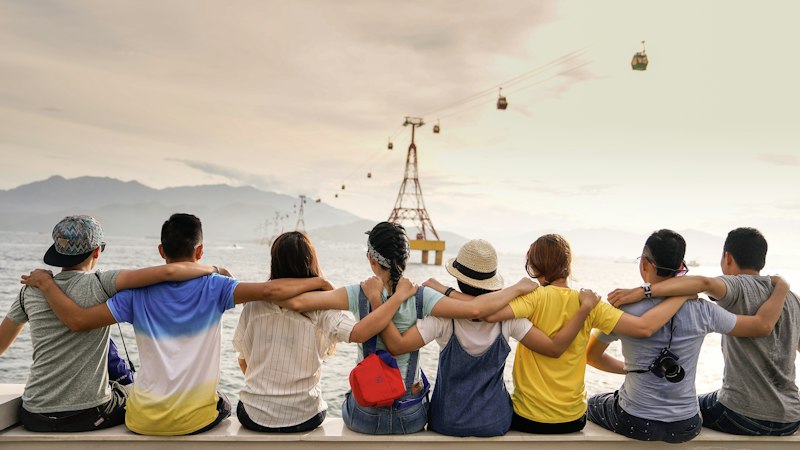
Building your expat community starts with showing up.
Why Building Community Matters More Than You Think
Before diving into the how, let us talk about the why. Research consistently shows that social connection is one of the strongest predictors of well-being for expats. A 2024 InterNations survey found that 62 percent of expats who rated their social life as satisfying also rated their overall life abroad as excellent, compared to just 18 percent of those who felt socially isolated.
In Japan specifically, the concept of uchi (inside group) and soto (outside group) means that building relationships can take longer than in some Western cultures. But once you are in, Japanese friendships tend to be deep and lasting. The key is knowing where to start.
Having a community also gives you practical support: recommendations for English-speaking doctors, help navigating bureaucracy, someone to call when you are locked out of your apartment at 2 AM. These are not luxuries; they are lifelines.
Online Platforms: Your Starting Point
The easiest first step is going digital. Here are the platforms that actually work in 2026:
Meetup.com
Still the gold standard for finding group events in Japan. Tokyo alone has hundreds of active groups covering everything from hiking and board games to startup networking and photography walks. Search by your city and interests, then show up. Pro tip: groups with 50 to 200 members tend to be the sweet spot, large enough to have regular events, small enough that you will see familiar faces.
Facebook Groups
Groups like Tokyo Expats, Foreigners in Japan, and city-specific communities such as Osaka International Community and Fukuoka Foreigners are active and responsive. These are great for quick questions and for hearing about events. Just be aware that the quality varies. Look for groups with active moderation.
Language Exchange Apps
Apps like Tandem and HelloTalk match you with Japanese people who want to practice English while you practice Japanese. Many of these connections turn into genuine friendships. The built-in structure of mutual help removes the awkwardness of cold socializing.
Reddit Communities
The japanlife and Tokyo subreddits are useful for advice, though they skew more toward information-sharing than in-person meetups. Still worth subscribing for the collective wisdom and occasional meetup announcements.
In-Person Communities: Where Real Friendships Form
Online is a great starting point, but nothing replaces face-to-face connection. Here are the most effective ways to meet people in real life:
Language Exchange Events
This is arguably the single best method for meeting both foreigners and Japanese people simultaneously. Events organized through Meetup or local community centers create a natural reason to talk to strangers. You help them with English, they help you with Japanese, and over time these become real friendships. Many cities hold weekly or biweekly language exchange nights at cafes or community spaces.
International Exchange Events
Local governments and international associations host regular events specifically designed for cross-cultural connection. These range from cooking classes and cultural festivals to discussion groups and volunteer activities. Check your city s International Association (kokusai koryu kyokai) website, as every prefecture has one. For more ideas, check out our guide to international exchange events in Japan.
Sports and Fitness Groups
Joining a running club, futsal team, or gym class is one of the fastest ways to build friendships. Shared physical activity breaks down social barriers faster than almost anything else. Popular options include Hash House Harriers, Ultimate Frisbee leagues, and yoga communities. Many of these groups are specifically international or bilingual.
Hobby and Interest Communities
Board game cafes, photography walks, cooking classes, hiking groups, book clubs: these interest-based communities attract both expats and Japanese people who share your passions. The shared interest gives you an automatic conversation starter and a reason to keep showing up.
Volunteering
Organizations like Habitat for Humanity Japan, Second Harvest Food Bank, and local NPOs always welcome English-speaking volunteers. Volunteering is powerful because you are working toward a shared goal, which builds bonds faster than casual socializing.
City-by-City Guide: Where to Find Community
Tokyo
Tokyo has the largest and most diverse expat community in Japan. Key neighborhoods for international socializing include Roppongi, Shibuya, Shimokitazawa, and increasingly areas like Koenji and Nakameguro. FRESC (Foreign Residents Support Center) in Shinjuku offers support in 21 languages.
Osaka
Osaka s expat scene is smaller but arguably more tight-knit. The Osaka International House Foundation hosts regular events, and the Namba and Shinsaibashi area has a thriving international nightlife. Osaka is also known for being more open and friendly to strangers than Tokyo.
Nagoya, Fukuoka, and Beyond
Smaller cities often have the most welcoming communities because there are fewer foreigners, so each new person is noticed and welcomed. Check your local International Association, join the city-specific Facebook group, and look for Meetup events. Do not underestimate the power of your local konbini or izakaya. Becoming a regular somewhere is a community-building strategy in itself.
Cafes are natural gathering spots for expat meetups.
Practical Tips for Building Lasting Connections
Show up consistently. The biggest mistake expats make is attending one event, not clicking with anyone immediately, and never going back. Research shows it takes roughly 50 hours of shared time to go from acquaintance to casual friend, and 200 or more hours to develop a close friendship. Keep showing up.
Learn some Japanese. Even basic greetings and phrases show respect and open doors. You do not need to be fluent. Even N5-level Japanese dramatically expands your social options.
Be the organizer. If there is no community that fits what you are looking for, create it. Start a small dinner group, a weekend hiking club, or a movie night. People are often waiting for someone else to take the initiative.
Mix your circles. Do not limit yourself to only expat groups or only Japanese groups. The richest social life comes from having both.
Use your workplace wisely. Japanese work culture includes nomikai and team activities. While these can feel obligatory, they are genuine opportunities to build relationships with colleagues.
Overcoming Common Challenges
The Language Barrier
Many expat communities operate primarily in English. Language exchange events are designed for people at all levels. And in major cities, you will find plenty of bilingual or English-friendly events. Do not let the language barrier stop you from trying.
Living Outside Tokyo
While Tokyo has the most options, every prefecture in Japan has an International Association that organizes events for foreign residents. Smaller cities often have tighter communities where you will be welcomed quickly. If you are looking for work opportunities to expand your network, see our guide on how to find a job in Japan as a foreigner.
Long-Term Isolation
Long-term isolation is more common than people admit. If your current approach is not working, change it. Try a completely different type of community. If you have been doing bar meetups, try a sports club. Sometimes a fresh context is all you need.
FAQ
How long does it take to build a social circle in Japan?
Most expats report feeling settled socially after 6 to 12 months of active effort. The key word is active. It will not happen passively. If you attend 2 to 3 events per month and follow up with people you connect with, you can build a solid friend group within your first year.
Are Japanese people open to friendships with foreigners?
Absolutely, but the approach matters. Many Japanese people are curious about other cultures but may be shy about initiating contact. Language exchanges, shared activities, and community events create structured opportunities that make it easier for everyone.
What if I am in a rural area with very few foreigners?
Rural areas have their own advantages. Your local community center (kominkan) likely hosts events and classes. JET Programme alumni associations maintain online communities for people in rural placements.
Do I need to join paid memberships or clubs?
Not at all. Most of the options listed in this guide are free or very low-cost. Meetup events typically charge 500 to 1,500 yen to cover the venue. Language exchanges are usually free.
How do I maintain friendships with Japanese people long-term?
Consistency and reciprocity are key. Follow up after meetups with a LINE message. Remember birthdays and small details. Invite them to things. Show genuine interest in their life, not just in practicing Japanese.
Community events create lasting bonds between residents.
Your Next Step
Building community in Japan is absolutely possible. It just takes intention and consistency. Start with one action this week: join a Meetup group, attend a language exchange, or message someone in a Facebook group about grabbing coffee. Every lasting friendship starts with a single conversation.
If you are not sure where your visa situation stands, our Japan visa application guide can help you understand your options so you can plan your long-term stay with confidence.
Ready to find events and meetups happening near you right now?
You moved to Japan with big dreams — and then, a few weeks in, you found yourself eating dinner alone again, scrolling through your phone, wondering how everyone else seems to have figured this out.
Sound familiar? If so, you’re in very good company. Making friends as a foreigner in Japan is genuinely hard. The language barrier is real, the social norms are different, and Japanese social circles can feel incredibly hard to break into. But here’s what nobody tells you: there’s an entire world of international exchange events out there specifically designed to solve this problem — and they’re way more fun than they sound.
We’re talking about evenings in cozy cafes where you swap Japanese and English over drinks. Potlucks where someone always shows up with food you’ve never tasted before. Sports leagues, hiking clubs, cooking classes, board game nights — all with people who are just as eager to make real friends as you are.
In this guide, you’ll discover:
What types of events are out there (there’s way more variety than you think)
Exactly where to find them — no hours of Googling required
How to actually turn event attendance into genuine friendships
What to expect your first time so you can walk in with confidence
What Kinds of International Exchange Events Exist in Japan?
The short answer: a lot. The longer answer involves some genuinely delightful options.
Language Exchange Meetups — The Gateway Drug
These are probably the easiest first step, and they’re everywhere. The setup is simple: you sit down with a Japanese person who wants to practice English (or your native language), and you want to practice Japanese. You spend time in both languages, laugh at each other’s mistakes, and somehow end up with a new friend and a free Japanese lesson.
Some of these events are structured — timed rotations, conversation cards, facilitators keeping things moving. Others are just a relaxed gathering at a bar where you find someone to chat with. Both are great depending on your personality. And the best part? Everyone there is in the same boat — a little nervous, a little excited, genuinely curious about the person across the table.
International Friendship Associations — Your Secret Weapon
Here’s something most foreign residents don’t know: almost every city in Japan has an official 国際交流協会 (Kokusai Kōryū Kyōkai — International Friendship Association), often funded by the local government. These organizations are genuinely trying to connect people, and they have resources and programming that most expat communities don’t.
We’re talking free or nearly-free Japanese language classes, cultural workshops (calligraphy! tea ceremony! cooking!), orientation programs for new arrivals, and volunteer networks that put you in direct contact with Japanese community members. Tokyo has its Metropolitan International Friendship Association, Osaka has OFIX, Nagoya has its International Center — and every smaller city has its own version.
If you haven’t checked what your local association offers, do it today. Seriously. It might be the single most underused resource in your city.
Multicultural Festivals — Perfect for First-Timers
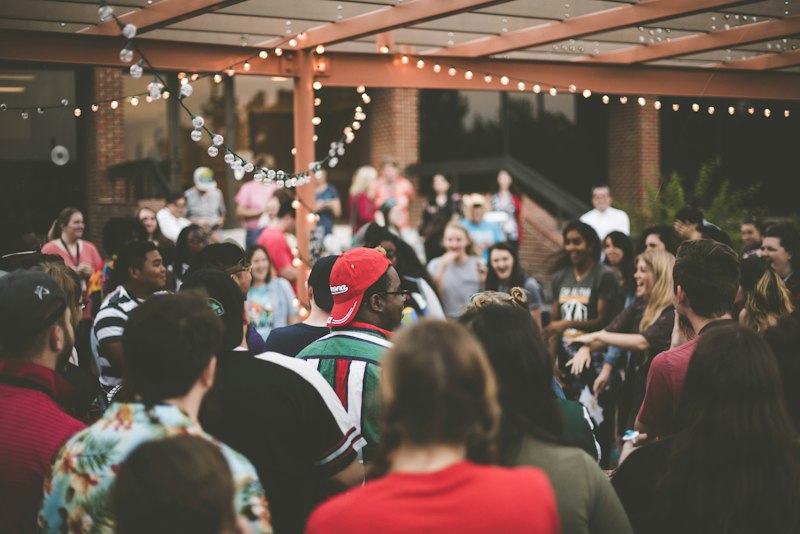
The atmosphere at multicultural events is exactly as warm and welcoming as it looks.
If the idea of walking into a room where you have to talk to people immediately sounds terrifying, start here. Major events like Tokyo’s Global Festa Japan or your city’s annual multicultural fair are perfect low-pressure entry points — you can wander around, sample food from ten different countries, watch performances, and let conversations happen naturally.
Nobody’s going to corner you and demand small talk. But you might find yourself next to someone at a food stall who turns out to be fascinating — and that’s how friendships sometimes start.
Sports and Hobby Groups — Where Real Friendships Form
This is a bit of an insider tip: the deepest, most lasting friendships from the international exchange world almost never form at pure “exchange events.” They form when you’re doing something you actually love alongside people who love it too.
Japan has international soccer leagues, hiking clubs that specifically welcome foreigners, English-language board game nights, cycling communities, rock climbing groups, photography walks, cooking clubs — the list is genuinely endless. When you share an activity with someone, you have an instant common language regardless of what language you actually speak. And you’ll see these same people every week, which is how acquaintances become friends.
Online Communities That Meet in Real Life
Some of the most active international communities in Japan started online — on Meetup, Facebook, or platforms like Yoriai Base — and have built a regular rhythm of in-person gatherings. These communities tend to attract motivated people: they showed up to sign up, which means they actually want to be there. Monthly or even weekly gatherings mean you’ll see familiar faces quickly.
Where to Actually Find These Events
Knowing events exist and actually finding them are two different things. Here’s where to look:
Yoriai Base
Yoriai Base is built specifically for foreign residents in Japan who want to find international exchange events. You can filter by city, event type, and language — which means no more scrolling through a wall of irrelevant content trying to find something that actually fits your life. It’s the fastest way to go from “I want to do something social this weekend” to “I have somewhere to be.”
Meetup.com
Meetup has solid communities in Tokyo, Osaka, Nagoya, Kyoto, Fukuoka, and beyond. Search “language exchange,” “international,” or “expat” plus your city name. The quality varies — some groups are highly organized, others are more casual — but in most urban areas, you’ll find something active within a few minutes of searching.
Facebook Groups
Search “[Your City] Foreigners,” “[Your City] Expats,” or “Language Exchange [Your City]” on Facebook. These groups tend to have active event posting and can give you a feel for the local expat scene before you even show up anywhere. National groups like “Foreign Residents in Japan” are also worth joining for broader context.
Your Local International Friendship Association
Just Google “[your city] 国際交流協会” — you’ll find it. Their calendars are often surprisingly full, and because these are government-affiliated programs, there’s no guessing about whether the event is legitimate.
What Your First Event Will Actually Be Like
First-timers are warmly welcomed — everyone remembers their own first event.
Imagine showing up for the first time. You’re a little nervous. You don’t know anyone. You push open the door and — it’s fine. More than fine, actually.
Most international exchange events feel genuinely welcoming, because everyone there is (at some level) looking for the same thing you are: connection. Japanese attendees are there because they want to practice their language and meet interesting people. Foreign attendees are there because they want friends and community. That shared motivation creates a warm atmosphere that’s hard to describe until you experience it.
Here’s what typically happens: there’s some kind of welcome or name-tag moment, then either structured pairs/groups or free mingling. There’s usually food or drinks, which helps a lot. Conversations start with the usual “where are you from, how long have you been here” — and that’s okay. That’s how it starts. Within a few visits, you’ll be past that and into actual conversations about actual things.
A few practical things to know going in:
Language: Almost all events run in a mix of Japanese and English. Don’t worry about your Japanese level — that’s literally what everyone is there to work on.
Commitment: Nearly all events are drop-in, no membership required. Try five different ones until you find your people.
Cost: Most are free to 1,500 yen. Government-affiliated events tend to be cheaper; Meetup events a bit more.
How to Turn Event Attendance into Actual Friendships
Here’s the honest truth: showing up once and hoping for magic doesn’t work. But showing up three or four times at the same event? That’s where the real stuff happens.
Go back to the same events. Familiarity is the foundation of friendship. The fourth time you see someone, the conversation goes somewhere completely different than the first. You start to know each other. Commit to a regular event for a month and watch what happens.
Follow up before you leave. If you had a good conversation with someone, ask for their LINE (Japan’s go-to messaging app) before you walk out the door. A quick “I really enjoyed talking with you — want to grab coffee sometime?” sounds scary but almost never gets rejected at an event where everyone came specifically to meet people.
Look for the inner circles. At bigger events, there are usually regulars who have started organizing their own hangouts on the side. These smaller, more intimate gatherings are where genuine friendships solidify. Keep your eyes open for invitations, and don’t be shy about asking if you can join.
Volunteer to help out. This is the cheat code. When you help run an event, you automatically talk to more people, you’re seen as a contributor rather than a guest, and organizers — who tend to be highly connected — will start bringing you into their networks.
Practical Tips Before You Go
Download LINE first. Seriously, do this now if you haven’t. LINE is how social contact exchange happens in Japan. Without it, you’ll be the person saying “do you have Instagram?” while everyone else swaps LINE QR codes in ten seconds.
Don’t only look for other foreigners. It’s natural — you gravitate toward the familiar. But the best international exchange experiences come from Japanese-foreign friendships, not just expat-to-expat connections. Push yourself a little to start conversations with Japanese attendees. They came to meet you, after all.
Lower your first-event expectations (in the best way). The first visit is reconnaissance. You’re learning the vibe, scoping the regular attendees, figuring out if this is your kind of crowd. It’s okay if it feels a bit surface-level. That’s normal and temporary.
Look for events in your native language. If you’re not a native English speaker, search for events in French, Spanish, Chinese, Korean, or whatever your language is. Major cities have active communities in dozens of languages.
Consider a platform that aggregates events. Instead of checking five different organizations’ websites separately, a platform like Yoriai Base pulls events from multiple sources so you can see what’s happening across your city in one place.
FAQ
Q: Do I need to speak Japanese to go to these events?
A: Not even a little bit — and honestly, coming in as a complete beginner can be an advantage. At language exchange events, your lack of Japanese is literally the point. That said, learning three phrases — ありがとうございます (arigatou gozaimasu), よろしくお願いします (yoroshiku onegaishimasu), and すみません (sumimasen) — will make Japanese attendees light up every single time.
Q: Is all of this only in Tokyo?
A: Not at all. Every prefecture in Japan has international exchange activity. Osaka, Nagoya, Fukuoka, Kyoto, Sendai, Sapporo — all have active communities. Even smaller cities have programs through their city hall or international friendship associations. Use Yoriai Base to search by your specific city.
Q: How do I know if an event is safe and legitimate?
A: Events organized by official international friendship associations or government bodies are completely reliable — they’ve been running for years. For independent Meetup events, check the group’s history, number of past attendees, and any reviews. If you’re unsure, bring a friend your first time. The vast majority of international exchange events in Japan are exactly what they say they are.
Q: I’m very shy. Are there events that work for introverts?
A: Yes, and they’re often the best ones. Look for events built around an activity — board game nights, cooking classes, craft workshops, sports, hiking. When you’re doing something together, the conversation happens naturally and nobody has to “work the room.” Structured events with conversation prompts are also great — you don’t have to come up with topics from scratch.
Q: How often do events happen?
A: In Tokyo and Osaka, there are multiple international exchange events happening every single day. In smaller cities, weekly or bi-weekly is typical. The key is using an aggregating platform rather than checking one organization at a time — that way you see the full picture of what’s available near you.
Your Next Step Is Simpler Than You Think
You’ve read this whole article, which means you’re not just idly curious — you actually want to do this. And the gap between wanting connection and having it is smaller than it feels right now.
Pick one event. Not five. Just one. Something that sounds even a little bit fun — a language exchange, a hiking club, a cooking class. Find it, block off the time, and show up.
The first time is the hardest. The second time, you’ll recognize a face or two. By the third or fourth visit, you’ll be the person welcoming newcomers and introducing them around. That’s how it goes, almost every time.
Yoriai Base lists international exchange events from cities all across Japan, searchable by location, date, event type, and language.
Ready to meet your people? Browse upcoming international exchange events near you.